

What’s In This Guide
A roof can appear perfectly fine from the ground, while problems quietly develop beneath the surface. From moisture trapped in the attic to compromised decking, hidden damage can go unnoticed until it results in more extensive repairs.
Understanding what professional roofers look for during an inspection can help you catch small issues early, protect your home, and avoid unexpected expenses.
Quick Facts
- A roof can look intact from the ground while moisture damages the attic or decking below.
- Soft or uneven decking may indicate trapped moisture, rot, or weakened sheathing.
- Loose flashing and lifted shingles can create small openings that admit wind-driven rain.
- Granules in gutters, stains in the attic, and displaced debris help roofers trace developing problems.
- Schedule a professional roof inspection after severe weather, when warning signs appear, or before a minor issue spreads.
When Roof Damage Hides Below the Surface

Missing shingles and ceiling stains are obvious warnings, but many roof problems develop out of sight. Water may enter through a small flashing gap, travel along the roof deck, soak insulation, and appear indoors far from the original opening. By the time a homeowner sees a stain, the affected area may already involve several roofing components.
A roof inspection for roof damage connects exterior clues with attic and structural findings. Professional roof inspection services do more than identify a visible defect. They help determine where water entered or where wind caused damage, how far the damage extends, and whether a focused repair can address the affected area.
What Roofers Check During a Professional Roof Inspection
Roof Decking Softness and Structural Movement
Roofers look for sagging lines, uneven planes, and areas that flex or feel soft under controlled pressure. These conditions can point to wet, delaminated, or deteriorated sheathing. An attic inspection may reveal darkened wood, rusted fasteners, cracked boards, or moisture around rafters. Because damaged decking supports the roofing above it, inspectors treat softness as a priority finding, not a cosmetic issue.
Attic Moisture, Stains, and Ventilation Clues
Inside the attic, an inspector checks the underside of the deck, rafters, insulation, vents, and penetrations. Damp insulation, musty odors, water tracks, frost, or mold-like growth can reveal a leak or moisture imbalance. The U.S. Department of Energy’s Building Science Education program notes that roof penetrations are vulnerable to water intrusion and that leaks can damage insulation and contribute to mold and structural rot.
Flashing Movement Around Roof Openings
Flashing directs water away from chimneys, skylights, walls, valleys, and vent pipes. Roofers check for lifting, rust, gaps, failed sealant, poor overlap, and movement around these transitions. A small separation may not be visible from the yard, yet it can admit wind-driven rain. Inspectors also compare exterior flashing conditions with stains or dampness inside the attic.
Shingle Lifting, Seal Failure, and Granule Loss
A roofing inspection checklist should include missing, cracked, curled, buckled, or lifted shingles. Roofers also inspect exposed fasteners and seal strips that no longer hold shingle tabs down. Some granule shedding occurs as shingles age, but concentrated bare spots or repeated granule buildup in gutters or near downspout outlets can indicate a problem.
Gutters and Ground-Level Evidence
Gutters can provide clues about conditions on the roof. Roofers look for granule buildup, shingle fragments, displaced nails, leaf dams, sagging sections, and overflow staining. They also inspect fascia, soffits, siding, and the ground near downspouts. These clues can show where water is concentrating or where wind may have lifted roofing materials.
READ MORE: 10 Roofing Problems Home Inspectors Find Most Often
How to Decide When to Schedule an Inspection
- Check safely from the ground. Look for missing shingles, lifted edges, sagging, gutter overflow, or debris after a storm. Do not walk on a steep, wet, icy, damaged, or unstable roof.
- Review the attic when it is safely accessible. Use a flashlight to look for stains, damp insulation, unexpected gaps where daylight is visible, or musty odors. Avoid touching electrical components or unstable materials.
- Document changes. Photograph stains, gutter debris, and exterior damage. Note when the problem appeared and whether it followed wind, hail, heavy rain, snow, or ice.
- Arrange a professional roof inspection. Schedule service when signs persist, the roof is unsafe to access, or you need to determine whether a repair or replacement is appropriate.
When Repairs Should Not Wait
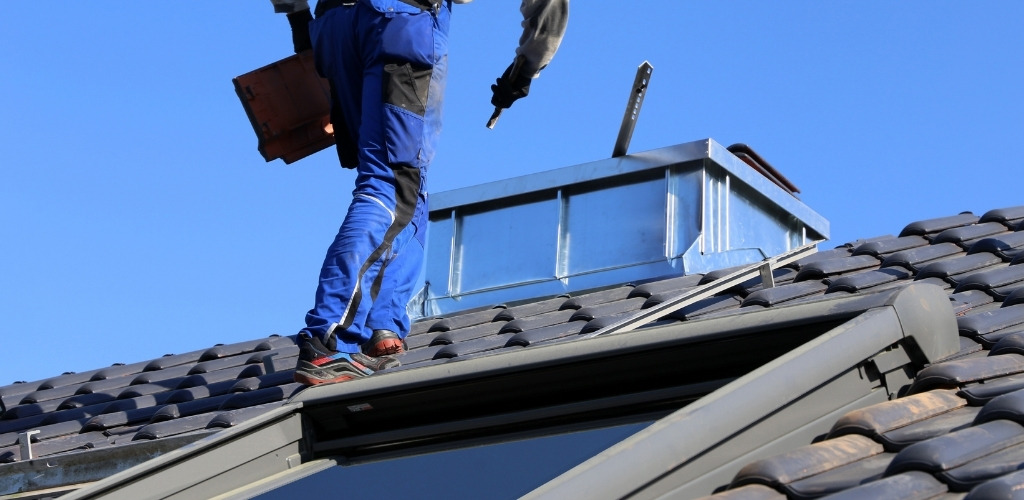
Call a local roofer promptly when water is actively entering the home, decking appears soft or sagging, flashing has separated, multiple shingles have lifted, or storm debris has punctured the roof. Quick action may limit moisture migration and reduce damage to insulation, ceilings, and framing.
Frequently Asked Questions
Can a roof leak without a ceiling stain?
Yes. Water can travel along decking, rafters, fasteners, or insulation before it reaches finished ceilings. An attic inspection may catch moisture earlier.
What should professional roof inspection services include?
The scope of a professional roof inspection varies with accessibility and the agreed scope of service. It may include roofing materials, flashing, penetrations, valleys, roof edges, gutters, drainage, attic conditions, decking, and visible signs of structural damage or movement. Ask what will be inspected and request documented findings and recommended repair priorities.
How often should I schedule a roof inspection?
Some roofing professionals recommend scheduling inspections once or twice a year, depending on the roof’s age, condition, and exposure to severe weather. You should also consider an inspection after severe weather, before buying or selling a property, or whenever you notice new stains, excessive granule loss, lifted roofing materials, or sagging.
What are common signs of hidden roof damage?
Common signs include damaged flashing, soft decking, attic moisture, failed or deteriorated seals, and water tracks or damp areas in the attic that have not yet produced a ceiling stain.
Can storm damage go unnoticed on a roof?
Yes. Wind, hail, debris, and heavy rain can damage roofing materials without causing an immediate leak. An inspection can catch these issues early.
Schedule a Roof Inspection in Wappingers Falls, NY
Hidden roof damage can worsen when the underlying cause is left unaddressed. Roofer of Wappingers Falls LLC can inspect visible and accessible components, explain the findings, and discuss appropriate repair options. Schedule a roof inspection or get a free estimate before a minor issue develops into a larger roofing problem.