- Free Estimates

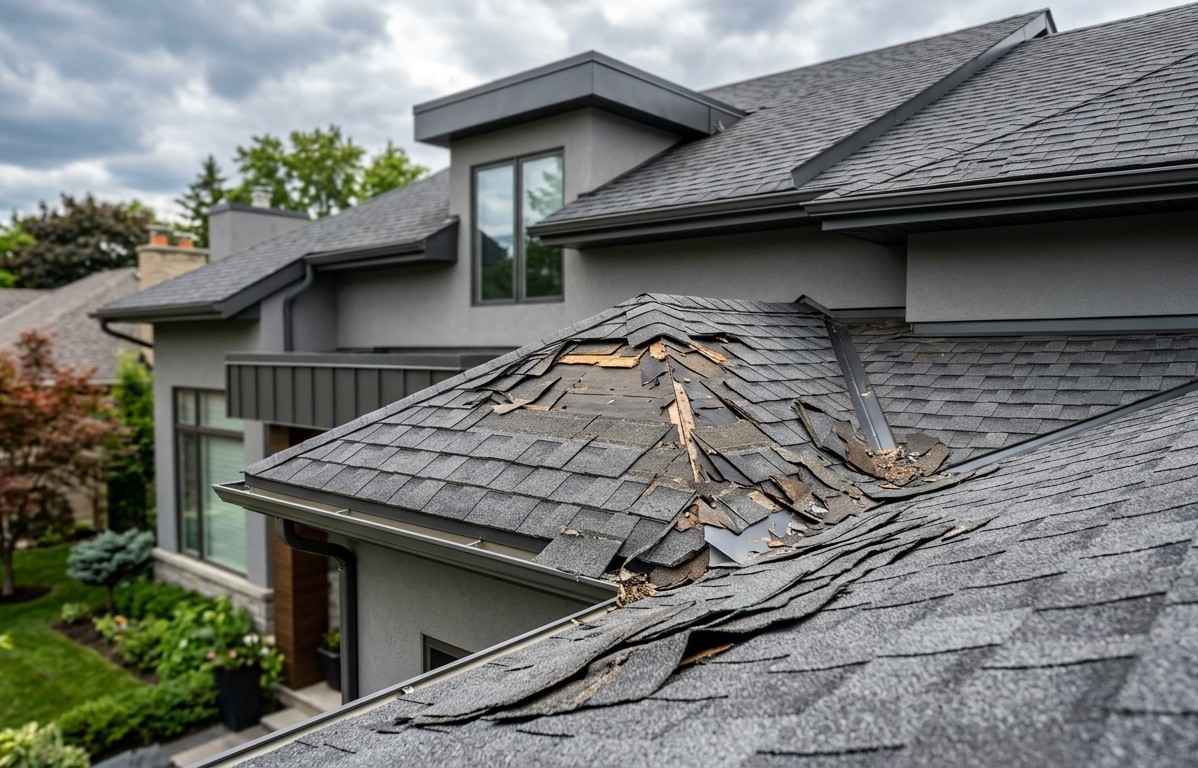
✔ Damaged shingles and roof leaks are among the most common problems discovered during home inspections.
✔ Flashing failures and poor ventilation can allow moisture to enter the roof structure.
✔ Clogged gutters and moss buildup can accelerate roof deterioration.
✔ Ice dams and aging roofing materials increase the risk of leaks and structural damage.
✔ Regular inspections and maintenance help prevent costly roof repairs and extend roof lifespan.
Roof problems are common during home inspections, often influencing property value, insurance approval, and real estate transactions. Many issues like loose flashing or aging shingles develop slowly, leading to leaks, mold, insulation damage, structural weakening, and costly repairs. Homeowners should recognize the frequent roofing problems inspectors find to address minor issues early and maintain their home’s long-term condition.
Damaged or missing shingles are one of the most common roofing issues found during inspections. Asphalt shingles can crack, curl, or blow off after years of exposure to wind, rain, hail, and temperature changes.
When shingles deteriorate or go missing, the roof deck underneath becomes exposed to moisture. This allows water to penetrate the roofing system, which can lead to rot, mold growth, and ceiling stains inside the home.
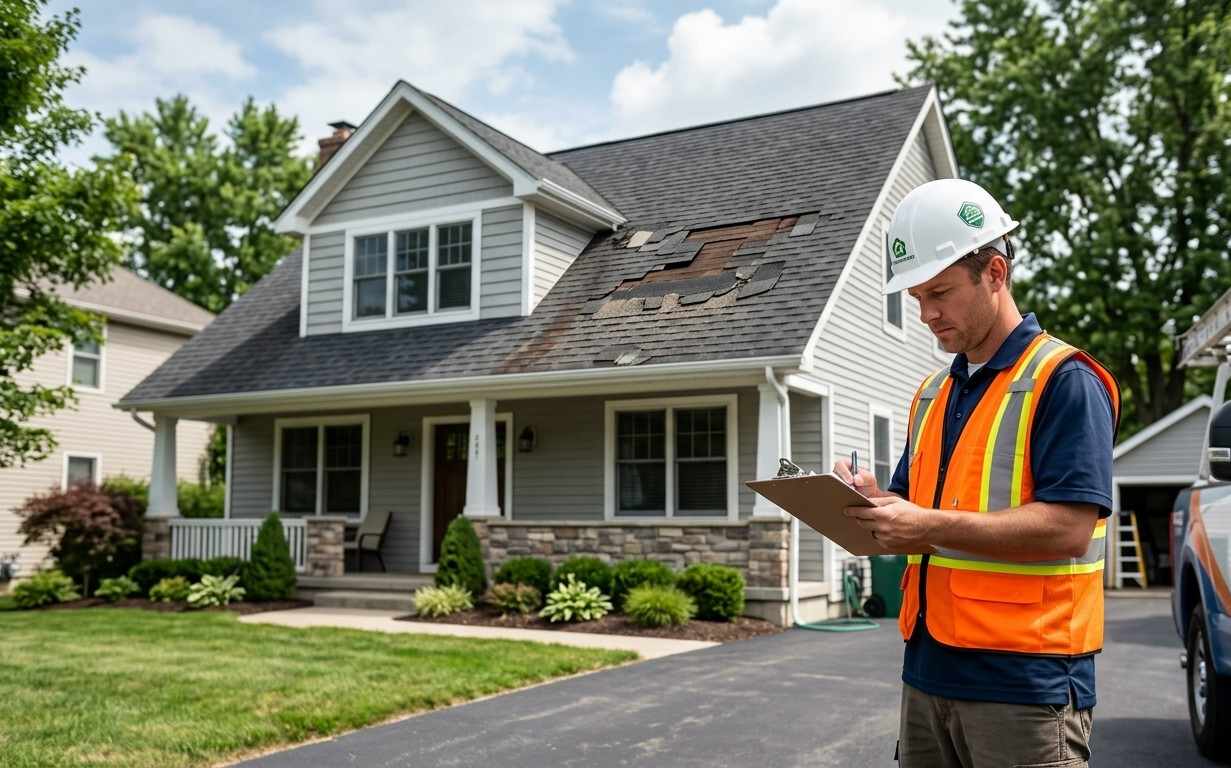
Inspectors usually look for curled edges, exposed nail heads, and areas where shingles are missing. Addressing shingle damage early helps prevent more serious roof repairs later.
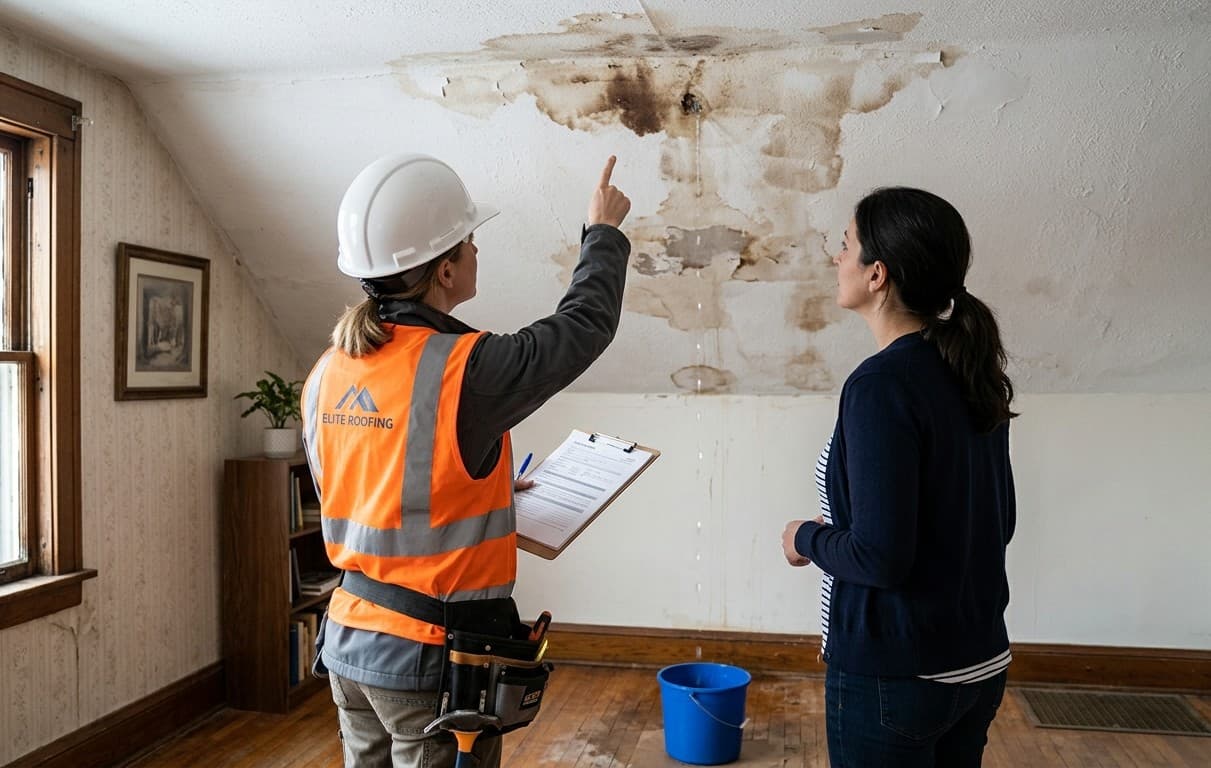
Roof leaks are among the most serious problems discovered during inspections. Signs often include ceiling stains, damp insulation, or moisture in the attic.
Leaks typically occur when shingles deteriorate, flashing fails, or sealants around vents and chimneys wear out. Even a small leak can cause long-term damage if water continues entering the structure.
Inspectors check attic spaces for dark stains on roof decking, damp insulation, or visible moisture. Detecting leaks early helps prevent damage to framing, drywall, and electrical systems.
Flashing is thin metal installed around chimneys, vents, and skylights to seal joints and prevent water from entering the roof. Over time, flashing can rust, loosen, or separate from surrounding materials. Improper installation during previous repairs can also cause failure. Inspectors commonly find cracked sealant, lifted metal edges, or corrosion around flashing. When flashing fails, rainwater can easily enter these vulnerable areas and cause roof leaks.
Proper attic ventilation allows heat and moisture to escape through roof vents. When ventilation is poor, heat and humidity build up beneath the roof deck. This trapped moisture can accelerate shingle deterioration, encourage mold growth, and weaken wooden components. In colder climates, poor ventilation can also contribute to ice dam formation. Inspectors typically look for blocked soffit vents, missing ridge vents, or insulation that restricts airflow.
A roof should appear straight and level. Visible dips or uneven sections can indicate sagging roof decking. This condition usually develops when moisture weakens the wood beneath roofing materials. Excess weight from multiple roofing layers or heavy snow can also contribute. Inspectors often notice uneven rooflines or soft spots while walking on the roof. Structural concerns like this require prompt evaluation.
Improper installation is a frequent cause of roofing problems. Inspectors often find shingles that were nailed incorrectly, installed unevenly, or placed without proper underlayment. These mistakes allow water to penetrate the roof and shorten the lifespan of the entire system. During inspections, professionals may notice exposed fasteners, uneven shingle patterns, or poorly sealed areas.
Gutters direct rainwater away from the roof and foundation. When they become clogged with leaves and debris, water cannot drain properly. Overflowing gutters can cause water to back up under shingles or damage fascia boards along the roof edge. Inspectors often find sagging gutters, debris buildup, or water stains along roof edges. Regular cleaning helps prevent these issues.
Moss, algae, and debris buildup can trap moisture against roofing materials. Over time, this moisture weakens shingles and can cause them to lift or deteriorate. Shaded roofs and areas beneath trees are especially prone to this problem. Inspectors often recommend removing debris and trimming nearby branches to reduce moisture buildup.
Ice dams occur when snow melts on a warm roof and refreezes at the colder roof edge. This creates a ridge of ice that traps water behind it. Trapped water can seep beneath shingles and leak into the home.
Inspectors may notice water stains near roof edges, damaged shingles, or moisture in the attic as signs of ice dam damage.
All roofing materials wear out over time. As roofs age, shingles may crack, curl, or lose protective granules. Older roofs are more vulnerable to leaks and weather damage. Even if no leaks are visible, an aging roof may soon require repairs or replacement. Regular inspections help homeowners determine when maintenance or replacement becomes necessary.
Preventive maintenance can significantly reduce the risk of major roofing issues.
Professional inspections can detect small problems before they become expensive repairs.
Look for water stains, mold, or sunlight shining through roof boards.
Remove leaves and debris at least twice per year to maintain proper drainage.
Branches that hang over the roof can drop debris and increase moisture buildup.
Minor shingle damage or flashing issues should be repaired promptly to prevent leaks.
Routine maintenance can extend roof’s lifespan and reduce unexpected repair costs.
Most roofing professionals recommend scheduling a roof inspection at least once per year and after severe storms.
Yes. Significant problems such as leaks, structural damage, or missing shingles can be flagged as major issues in inspection reports.
Leaks are often the most damaging because water intrusion can affect insulation, drywall, framing, and electrical components.
Minor repairs may cost a few hundred dollars, while extensive repairs or replacements can cost several thousand dollars, depending on the size and materials used.
Yes. Attic inspections help identify moisture problems, ventilation issues, and signs of roof leaks that may not be visible from outside.
Roofing problems discovered during home inspections often develop gradually and worsen over time. Identifying issues early helps prevent costly repairs, structural damage, and interior water problems.
Routine inspections, proper ventilation, and regular maintenance can significantly extend the life of a roofing system. Homeowners who notice signs such as missing shingles, leaks, or sagging roof areas should seek professional evaluation before the damage spreads.
For homeowners in the area, Roofer of Wappingers Falls provides experienced roofing inspections, repairs, and maintenance services to help protect homes from common roofing problems.