- Free Estimates

When a roof problem appears after a storm, many homeowners assume insurance will automatically cover the repairs. In reality, insurance approval depends on one critical distinction: storm damage versus normal wear and tear. Understanding how insurance companies evaluate roof claims can save homeowners time, frustration, and unexpected expenses.
In areas like Wappingers Falls, where roofs face harsh winters, summer storms, wind, hail, and temperature swings, this distinction matters more than most homeowners realize. This guide explains how insurance adjusters make coverage decisions, what evidence they look for, and how homeowners can protect themselves before and after damage occurs.
Insurance policies are designed to cover sudden, accidental events, not gradual deterioration. From the insurer’s perspective:
This distinction directly affects whether a claim is approved or denied.
If damage is ruled as wear-related—even if a storm made the issue noticeable—insurance companies typically deny coverage.
Storm damage occurs when a specific weather event causes immediate harm to roofing materials. Insurance companies usually look for clear signs that damage was caused by a recent storm.
High winds can:
Adjusters look for sharp edges, lifted corners, and missing shingles aligned in a consistent wind pattern.
Hail can cause:
Even small hail can compromise a roof’s lifespan, especially on older systems.
Storms often bring down:
Impact damage is usually straightforward to identify and often covered.
In New York, winter storms can lead to:
Insurance may cover resulting water damage if it’s tied to a documented weather event.
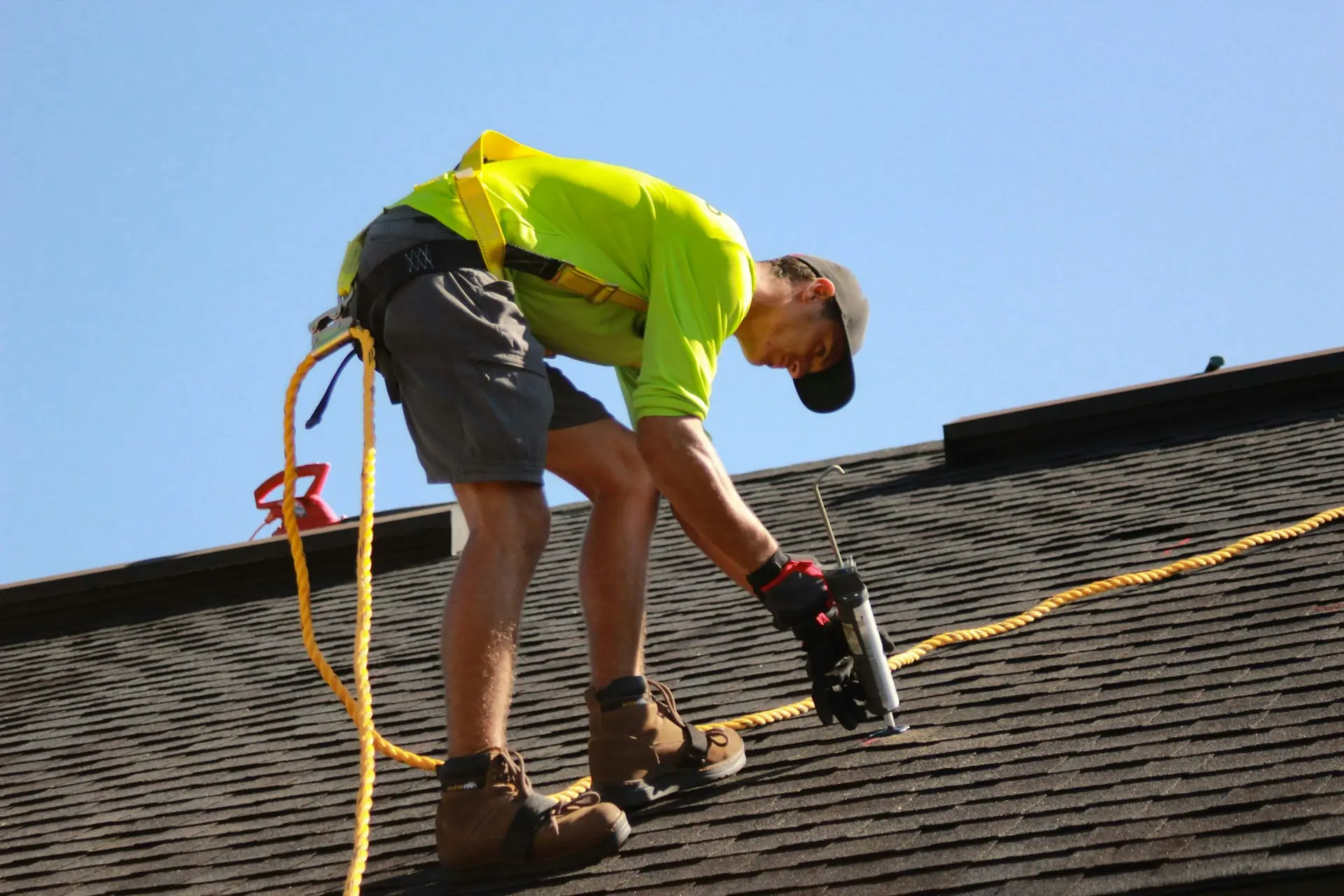
Wear and tear refers to gradual roof deterioration caused by age, weather exposure, and lack of maintenance. This type of damage is rarely covered.
Even if a storm accelerates existing issues, insurers often argue the roof was already failing.
Roof age plays a major role in how claims are evaluated.
Some policies only pay Actual Cash Value (ACV) rather than full replacement cost, meaning depreciation is deducted based on age.
Insurance adjusters follow a structured process to determine cause and eligibility.
Storm damage typically appears in a uniform pattern. Random damage often suggests aging.
Fresh damage has clean breaks. Worn damage appears rounded or deteriorated.
Hail damage shows clear granule displacement. Aging roofs lose granules evenly.
Adjusters often reference:
Without documented storm activity, approval becomes harder.
Most denials come down to documentation and timing, not the absence of damage.
In many cases, homeowners simply don’t realize how closely insurers scrutinize roof conditions.
A professional roof inspection provides objective documentation—something insurance companies rely on heavily.
Local roofing professionals familiar with weather patterns understand what legitimate storm damage looks like in this region.
Most policies require homeowners to report damage promptly.
After any major storm, a timely inspection helps establish a clear timeline.
Not all claims are all-or-nothing.
Insurance may approve:
However, mismatched materials and incomplete repairs can create long-term problems if not handled correctly.
Even when insurance denies coverage, ignoring roof deterioration often leads to:
Routine inspections and proactive repairs extend roof life and prevent surprise expenses.
Preparation reduces conflict with insurance companies.
A well-documented roof history strengthens any future claim.
Roofing systems in Wappingers Falls face different challenges than roofs in other regions.
Local contractors understand:
This knowledge helps accurately assess damage causes and communicate effectively with insurance adjusters.
Sometimes damage—covered or not—signals the end of a roof’s lifespan. Sign replacement may be the better option:
An experienced roofer can explain whether investing in repairs is worthwhile or if replacement offers better long-term value.
Insurance companies look at damage patterns, roof age, material condition, and recent weather data. Storm damage usually appears sudden, directional, and consistent with a known weather event, while wear and tear develops gradually over time and shows signs of aging.
It depends on the policy and the roof’s condition. Many insurers limit or deny coverage for older roofs, or they pay actual cash value (ACV) instead of full replacement cost. If damage is linked clearly to a recent storm, partial coverage may still apply.
Hail damage is often covered, but only if it causes functional damage, not just cosmetic marks. Insurers look for granule loss, bruising beneath shingles, and compromised waterproofing rather than surface dents alone.
Yes. If an adjuster determines the roof already had leaks, missing shingles, or deteriorated materials before the storm, the claim may be denied as pre-existing wear and tear, even if a storm occurred.
Most policies require claims to be filed promptly, often within weeks or months of the event. Waiting too long can make damage appear weathered, increasing the likelihood of denial.
Insurance coverage decisions are rarely arbitrary. They are based on cause, condition, timing, and documentation. Homeowners who understand the difference between storm damage and wear and tear are better equipped to protect their property and avoid costly surprises.
Regular inspections, local expertise, and prompt action after storms all play a role in preserving both your roof and your financial security.
For homeowners in Wappingers Falls and surrounding areas, working with roofing professionals who understand insurance standards and regional weather conditions ensures you get clear answers—before small problems become major ones.