
What’s In This Guide
Quick Facts
- A roof tune-up combines inspection, cleaning, adjustment, and limited minor repairs within an agreed scope.
- Technicians focus on common leak entry points, including flashing, penetrations, seams, edges, and damaged roof covering.
- Gutters, drains, and downspouts must move water quickly; debris can cause overflow or ponding.
- Roof tune-up costs depend on roof size, slope, material, access, condition, and authorized repairs.
- A tune-up reduces preventable risk, but it cannot guarantee that an aging or concealed defect will never leak.
A roof can look acceptable from the driveway even as small defects develop around a vent, chimney, seam, fastener, or drainage point. People searching for a roof tune-up near me usually want preventive service that corrects manageable issues before wind and rain turn them into interior damage.
Storm preparation matters in Wappingers Falls, NY. The National Weather Service defines a severe thunderstorm as one capable of producing hail at least one inch in diameter or wind gusts of at least 58 mph. Hail can damage roofing materials, while strong winds can loosen components, break branches, and damage surrounding property.
A tune-up cannot make a roof storm-proof, but it can address loose, worn, blocked, or poorly sealed components before severe weather.
What Is a Roof Tune-Up?
A roof tune-up is a focused preventive service. It starts with an inspection, then adds routine maintenance and small corrective tasks within the approved scope. The work varies for asphalt shingles, metal roofing, EPDM, TPO, and other systems.
A tune-up is not automatically a full repair project. Saturated insulation, widespread membrane failure, structural movement, extensive shingle loss, or deteriorated decking may require separate testing, repair, or replacement planning.
How a Roof Tune-Up Is Completed
1. Review the Roof, Attic, and Reported Symptoms
The technician asks about past leaks, recent storms, previous repairs, ceiling stains, gutter overflow, and areas where water collects. When accessible, an attic or interior inspection may reveal staining, moisture-damaged materials, daylight through openings, or ventilation concerns.
2. Inspect the Roof Covering
On shingle roofs, the roofer looks for missing, lifted, cracked, creased, or heavily worn shingles, as well as exposed fasteners. On metal or low-slope roofs, the inspection may cover seams, panels, fasteners, punctures, blisters, and ponding water. The goal is to identify defects that could allow water intrusion or worsen during high winds.
3. Check Flashing, Penetrations, and Edges
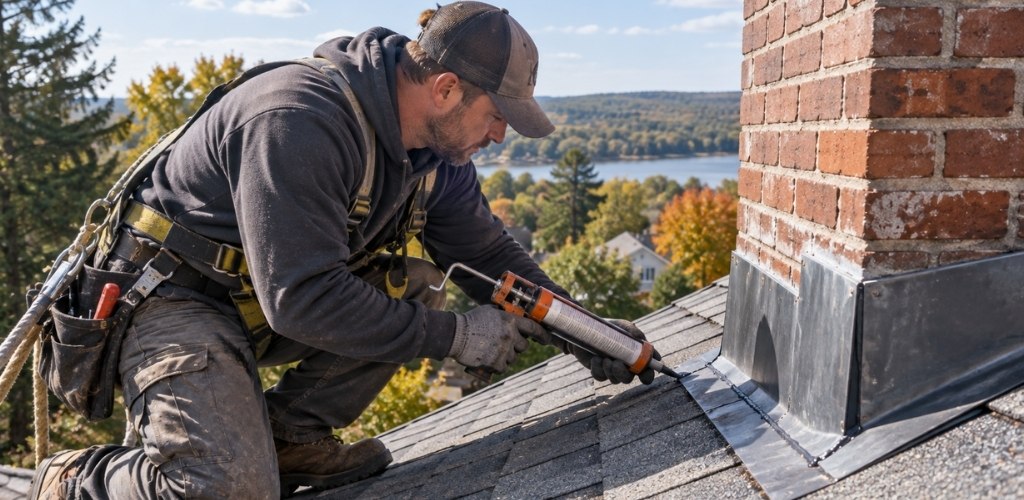
Leaks often begin where the roof changes direction or meets another component. A tune-up should examine chimney and wall flashing, valleys, pipe boots, vents, skylight perimeters, roof-to-wall transitions, drip edges, coping, and terminations. Loose metal, failed sealant, open laps, cracked boots, or missing fasteners need attention.
4. Restore Drainage Paths
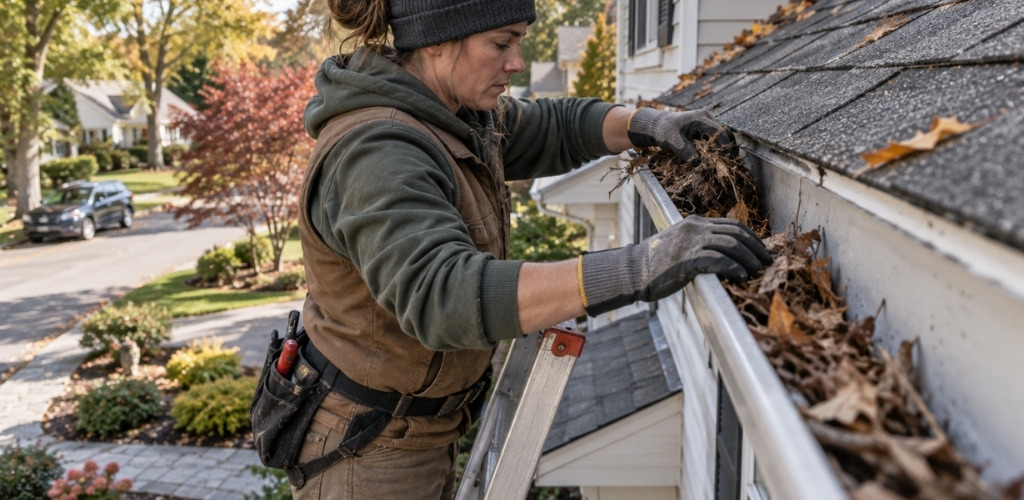
The roofer checks gutters, downspouts, scuppers, drains, and surrounding roof areas for leaves, branches, sediment, and blockages. The National Roofing Contractors Association notes that windblown debris can clog drains and downspouts, creating drainage problems. On low-slope roofs, ponding or slow drainage may require corrective work beyond cleaning.
5. Complete Limited Maintenance and Corrections
Within the written scope, the technician may reseal selected penetrations, secure loose components, replace isolated damaged shingles, address exposed fasteners, clear debris, or make other compatible adjustments. Sealant should not be used as a substitute for failed flashing, damaged decking, or deteriorated roofing materials.
6. Provide Photos and Prioritized Recommendations
A useful record identifies what was inspected, maintained, repaired, and deferred. Recommendations should distinguish urgent water-entry or safety concerns from items that require monitoring and larger projects that need a separate quote.
What Affects Roof Tune-Up Cost?

Roof tune-up costs vary because servicing a one-story shingle roof differs from working on a steep, multilevel home or a commercial roof with numerous penetrations. Factors include roof size, pitch, height, accessibility, material, number of roof sections, debris accumulation, existing damage, and approved minor repairs.
Ask whether the quote covers the inspection, cleaning, specified repairs, materials, photographs, and a written report. A clearly defined scope matters more than a vague, low-priced proposal.
When Should Wappingers Falls Property Owners Schedule Service?
Schedule roof maintenance after winter weather has passed, before a storm-prone season, after significant wind or hail, or when you notice ceiling stains, missing shingles, displaced metal, granules near downspouts, or repeated gutter overflow. Properties surrounded by mature trees may also need service during or after periods of heavy leaf fall.
Do not wait for active dripping. Water can travel along decking, framing, insulation, pipes, or other building components before appearing indoors, so a ceiling stain may not be directly below the entry point.
Frequently Asked Questions
Is a roof tune-up the same as a roof inspection?
No. An inspection documents the roof’s condition. A tune-up includes agreed-upon maintenance and limited corrections. When searching for a roof inspection near you, ask whether the service includes hands-on maintenance or only an assessment and report.
Can a tune-up prevent every roof leak?
No. It can reduce risks associated with loose components, minor defects, debris, and aging sealant, but it cannot uncover every concealed condition or restore a roof that has reached the end of its service life.
Can I perform a roof tune-up myself?
Homeowners can look from the ground for visible damage and check accessible interiors for moisture. Avoid climbing onto the roof. OSHA identifies falls as the leading cause of death in construction, and the NRCA advises owners to keep their own roof checks at ground level because proper safety systems are essential.
How often should a roof tune-up be scheduled?
Some roofs may benefit from an annual tune-up and an additional inspection after major storms. The appropriate schedule depends on the roof’s age, condition, material, and exposure to local weather.
Will a roof tune-up extend my roof’s lifespan?
It can help address minor issues before they become larger problems, but it cannot reverse normal aging or guarantee a longer roof life.
Schedule Preventive Roof Service in Wappingers Falls, NY
A thorough tune-up documents the roof’s condition before storm season and creates a practical plan for maintenance, repairs, and monitoring. Contact Roofer of Wappingers Falls LLC to schedule a roof inspection, discuss preventive maintenance, and request a roofing quote.