- Free Estimates

✔ Small issues such as cracked flashing or missing shingles become costly if ignored.
✔ Clogged gutters cause water intrusion, fascia rot, and foundation problems.
✔ Improper airflow leads to moisture buildup, ice dams, and premature shingle failure.
✔ Attic moisture and ceiling stains often reveal hidden roof problems early.
✔ A trained roofing contractor can detect structural weaknesses and prevent premature roof replacement.
Most roof failures are preventable.
Regular inspections and maintenance significantly extend a roof’s service life and reduce the risk of costly water damage. In regions where homes face snow loads, freeze-thaw cycles, heavy rain, and summer heat, small roofing issues accelerate quickly.
The answer is straightforward. Homeowners should inspect, clean, and assess their roof system at least once a year, ideally in spring or early fall. This includes checking shingles, flashing, gutters, ventilation, and attic conditions. Annual roof maintenance protects structural integrity, preserves home value, and prevents expensive emergency repairs.
Your roof is a system, not just shingles. When water penetrates damaged shingles or flashing, it reaches the decking and underlayment. Over time, moisture leads to wood rot, mold growth, and insulation damage. The Environmental Protection Agency (EPA) notes that moisture control is one of the primary defenses against mold in residential buildings.
Even minor leaks can compromise framing and attic insulation, increasing energy loss and weakening structural components.
Asphalt shingle roofs typically last 20 to 30 years. However, neglect can cut that lifespan short. Replacing a few shingles or resealing flashing is inexpensive compared to a full roof replacement.
Routine maintenance addresses wear before it spreads. Curling shingles, cracked sealant, and minor granule loss are manageable early. Ignored, they lead to widespread deterioration.
A roof in poor condition affects appraisal value and buyer confidence. Home inspectors routinely flag roof defects during real estate transactions. Proactive maintenance keeps documentation clean and reduces surprises during resale.
Insurance claims may also be denied if damage results from long-term neglect rather than sudden events. Annual inspections create a record of responsible upkeep.
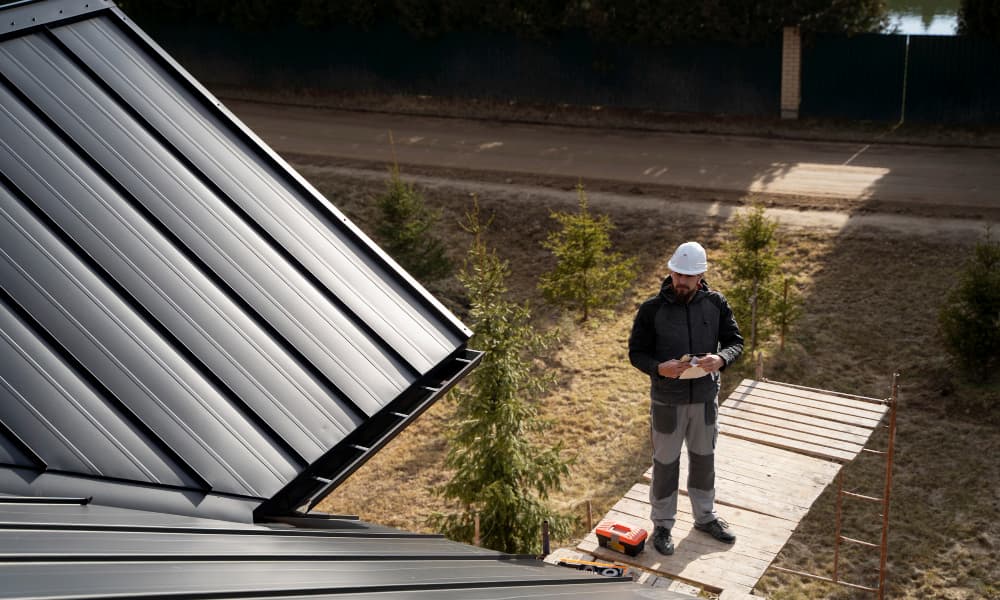
Start with a ground-level inspection. Use binoculars if necessary. Look for:
Avoid climbing onto the roof without proper safety equipment. Falls are a leading cause of home improvement injuries. A ground inspection identifies visible warning signs without risk.
Roof problems often appear inside first. Inspect your attic for:
Condensation issues can also signal ventilation problems. Addressing interior signs early prevents structural damage and indoor air quality issues.
Clogged gutters are a common source of roof damage. When gutters overflow, water backs up under shingles and along fascia boards. In colder climates, trapped water contributes to ice dam formation.
Clean gutters at least twice per year, especially after fall leaf drop. Ensure downspouts direct water several feet away from the foundation. Watch for sagging sections or separation from the roofline.
Flashing seals vulnerable transitions around chimneys, skylights, vents, and roof valleys. Over time, the sealant dries out and cracks. Metal flashing can loosen or corrode.
Check for:
Water intrusion often begins at these seams. Resealing or replacing flashing early prevents interior leaks.
Leaves, pine needles, and branches trap moisture against shingles. Persistent moisture accelerates deterioration and encourages moss growth.
Use a soft-bristle broom or leaf blower from a stable position. Avoid pressure washing asphalt shingles. High-pressure water strips protective granules and shortens roof life.
Tree limbs should remain at least 6 to 10 feet away from the roof. Overhanging branches create multiple risks:
Regular trimming reduces impact damage and improves roof longevity.
Proper attic ventilation balances intake and exhaust airflow. Adequate ventilation to prevent moisture buildup and heat accumulation.
Signs of poor ventilation include:
Check soffit vents for blockages and confirm ridge or exhaust vents remain unobstructed.
Hudson Valley weather can bring strong winds, hail, and heavy snow. After major storms, inspect for:
Prompt assessment reduces the risk of secondary water intrusion. Even minor wind lift can break the adhesive seal on shingles.
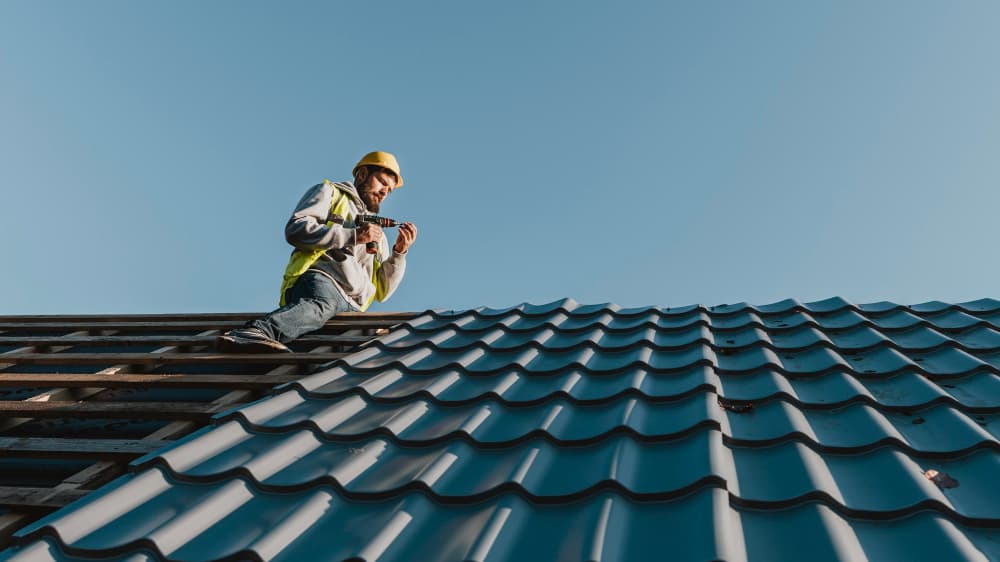
Certain tasks require professional expertise:
DIY errors can void manufacturer warranties and worsen damage. Safety should always come first.
While homeowners can conduct basic checks, professional inspections add deeper evaluation.
Schedule a professional roof inspection:
Professionals identify hidden leaks, structural weaknesses, and ventilation deficiencies that are not visible from the ground.
Avoid these costly errors:
Every roof, regardless of age, benefits from routine assessment.
At least once per year and after major storms.
No. Pressure washing removes protective granules and shortens shingle lifespan.
Typically 20 to 30 years, depending on materials, ventilation, and maintenance.
Insurance usually covers sudden damage from storms, not deterioration from neglect.
Spring and early fall offer moderate temperatures ideal for inspections and repairs.
Annual roof maintenance prevents expensive surprises. A structured checklist, consistent inspections, and timely repairs extend roof life and protect your investment.
For homeowners in the Hudson Valley, working with a local expert ensures your roof is prepared for seasonal weather extremes. Roofer of Wappingers Falls provides professional inspections and maintenance services tailored to homes in this region.
Do not wait for a leak to appear inside your home.