
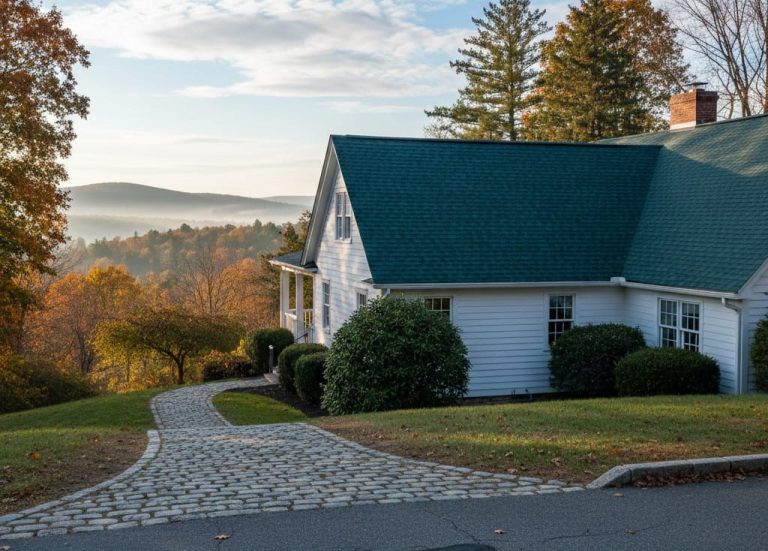
What Is the Best Time of Year to Replace a Roof?
The best time of year to replace a roof is typically fall, followed closely by spring. These seasons offer moderate temperatures that allow roofing materials to seal properly, fewer weather-related delays, and ideal working conditions for contractors.
For homeowners searching for a roof company near me in Wappingers Falls, NY, scheduling a roof replacement during these seasons often means better installation quality, smoother timelines, and fewer long-term issues caused by extreme heat or winter cold.
That said, the true “best” time ultimately depends on your roof’s condition. If your roof is already leaking or showing signs of failure, waiting for the ideal season can lead to far more expensive damage, making immediate replacement the smarter choice regardless of the time of year.
Table of Contents
Key Takeaways
✔ Fall is often the best time to replace a roof because temperatures support strong sealing and the weather is more predictable.
✔ Spring is a close second, but rain can cause delays, and early-season scheduling fills quickly.
✔ Summer installations are fast and reliable, but peak demand can result in higher prices and longer wait times.
✔ Winter replacement can be cheaper, yet cold weather may limit materials and slow timelines.
✔ Replace your roof before it leaks. That’s the cheapest and smartest timing.
✔ Once water reaches the decking or attic, repair costs rise fast.
✔ Leaks can cause rotted wood, mold, insulation damage, and ceiling stains.
✔ Early replacement prevents small issues from turning into major repairs.
✔ Protect your home and budget by acting at the first warning signs.
Best Time to Replace Roof: What Most Homeowners Don’t Consider
The phrase “best time to replace roof” sounds like a seasonal question, but for most homeowners, the bigger factor is risk. If your roof is already failing, the best time is immediately, regardless of the month. But if you’re planning, understanding what actually affects a roof replacement will help you get better results and avoid surprises.
Your Roof’s Condition Matters More Than The Calendar
A roof nearing the end of its life doesn’t “wait” for a convenient season. If you’re seeing warning signs, your timing should be based on protecting your home, not the weather forecast.
Common signs your roof is ready for replacement include:
- Shingles that are curling, cracked, or missing
- Granules accumulating in gutters or downspouts
- Sagging areas, soft spots, or visible dips
- Interior ceiling stains or water marks
- Moss growth and persistent moisture trapping
- Drafts or temperature swings in upper rooms
The longer you wait, the more likely the roof deck, insulation, and interior finishes will be affected, turning a roof replacement into a much larger repair project.
How Weather Impacts Installation Quality
Roofing materials perform best within certain temperature ranges. Shingles need proper heat to seal. Adhesives need conditions that allow them to bond. Ventilation needs to be installed and adjusted correctly for the season you’re heading into.
In Wappingers Falls, NY, the freeze-thaw cycle is a major concern. Water can enter small gaps, freeze, and expand—widening those gaps and leading to more damage over time. That’s why the timing of roof replacement isn’t only about convenience; it’s about long-term protection.
Timing Impacts Price And Contractor Availability
Roofing is seasonal for a reason. The busiest months often mean:
- Higher labor demand and tighter scheduling
- Longer wait times for installation
- Increased material competition and delivery delays
If you plan your roof replacement during shoulder seasons or book early, you often have more flexibility and sometimes more competitive pricing.
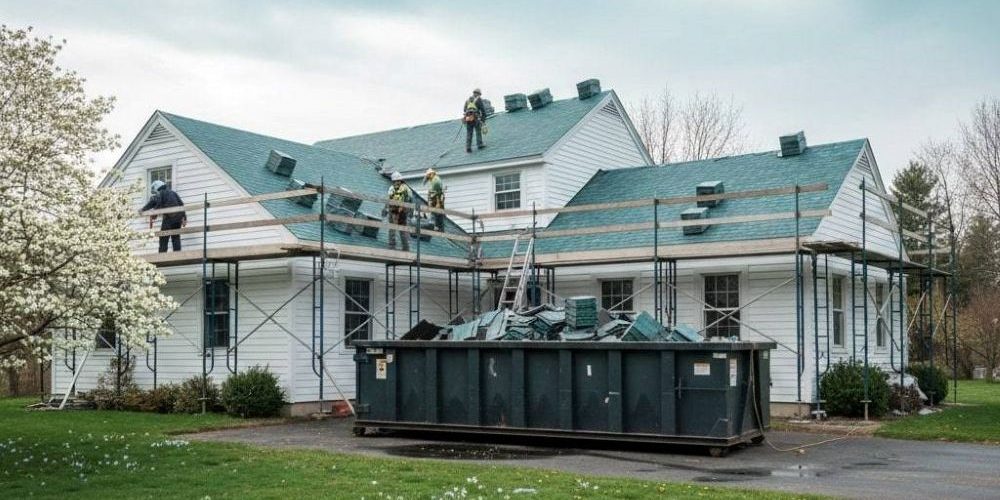
Spring Roof Replacement: A Strong Choice for Mild Weather
Spring is one of the most popular times for roof replacement because it balances workable weather with decent scheduling availability, especially if you book early.
Pros
- Moderate temperatures help shingles and sealing materials perform well
- Winter damage becomes obvious, making inspections more accurate
- It’s early enough to prevent summer leaks and storm issues
- Some contractors have more flexibility before peak season fully hits
Cons
- Rain can cause delays
- Early spring can still be unpredictable in New York
- Demand ramps up quickly after the first warm weeks
⮞ Tip for homeowners
If you suspect winter damage, spring is ideal for replacing a roof before small issues become costly interior repairs.
Summer Roofing Projects: Fast Turnarounds but High Demand
Summer is a strong season for roof replacement because the weather supports fast installs, and materials perform reliably, but it comes with the most competition for contractor availability.
Pros
- Longer daylight hours mean faster job completion
- Warm temperatures support strong shingle sealing
- Scheduling is often consistent once you secure a start date
Cons
- Peak demand can lead to higher pricing
- High humidity or heat can slow crews and impact comfort
- Summer storms can interrupt installations or delay timelines
⮞ Best use-case
Summer is ideal if your roof needs urgent replacement and you’re prepared to book early or move quickly once you have an estimate.
Fall Roof Replacement: The Most Recommended Season
For many homeowners, fall is the best time of year to replace a roof. The weather is stable, the temperature is ideal for materials, and the roof is ready before winter arrives.
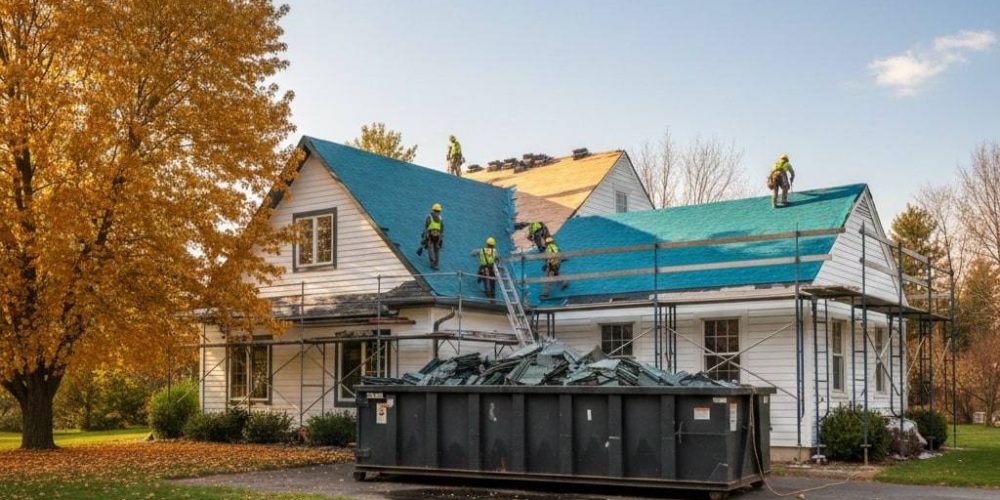
Why Fall Is The Best Time To Replace The Roof
- Temperatures help shingles seal properly without extreme heat
- Less humidity supports clean installation and ventilation work
- Fewer storms compared to late summer
- Your home enters winter protected against ice dams and wind-driven rain
Fall also gives contractors ideal working conditions, which often improves installation speed and overall project flow.
Why Fall Appointments Fill Up Quickly
Fall is the most competitive season because homeowners want to avoid winter emergencies. That drives demand and reduces availability.
Contractors book out quickly in:
- September
- October
- Early November
⮞ Pro advice
If you want a fall roof replacement in Wappingers Falls, start planning in late summer to lock in the best schedule.
Winter Roof Replacement in Wappingers Falls: Possible, But Not Always Ideal
Yes, roofs can be replaced in winter, and in some cases it’s a smart move—especially if you need emergency replacement or want to take advantage of lower seasonal demand. But winter roof work requires the right conditions and the right contractor.
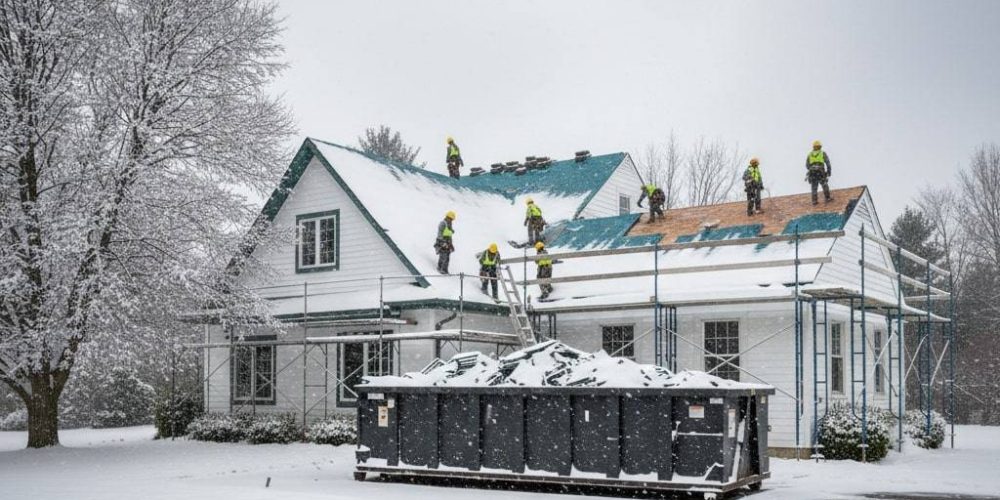
Can Roofs Be Replaced In Winter?
Yes, but it depends on:
- Temperature range and forecast stability
- Material type and manufacturer requirements
- Safety conditions on the roof surface
- Attic ventilation and moisture control needs
Pros
- Contractors may have more availability
- Pricing can sometimes be more competitive
- It prevents a failing roof from worsening during harsh weather
Cons
- Snow and ice can slow the project timeline
- Cold makes shingles less flexible and harder to handle
- Sealant performance can be affected
- Weather interruptions can create scheduling gaps
Winter replacement can be successful, but it’s not the “best time to replace a roof” for every homeowner, especially if conditions become unpredictable.
Signs You Should Replace Your Roof ASAP (No Matter the Season)
Seasonal timing doesn’t matter if your roof is actively failing. The best roofing company near me emphaizes delaying replacement after warning signs appear is one of the most expensive decisions homeowners make.
Red flags homeowners should never ignore
- Water stains on ceilings or walls
- Shingles blowing off during harsh winds
- Repeated repairs in the same areas
- Soft roof decking or sagging sections
- Heavy granule loss or bare shingles
- Visible light coming through the attic boards
Why waiting can cost more
A roof replacement cost is predictable. Water damage is not. Once moisture enters your home, you’re exposed to:
- Mold growth
- Insulation damage and reduced energy efficiency
- Rotten roof decking and framing
- Damaged drywall, paint, and electrical components
If you think your roof is failing, the best time to replace it is before the next storm proves it.
Frequently Asked Questions | Roof Replacement Timing & Costs
What is the cheapest time of year to get a new roof?
The cheapest time is often winter or late fall, when demand is lower, and both residential and commercial roofing companies near me may offer more flexible pricing. However, in Wappingers Falls, weather conditions can restrict scheduling and affect material performance, so the lowest upfront price doesn’t always deliver the best long-term value for homeowners.
When should you not put a roof on?
You should avoid roof installation during heavy rain, snowstorms, high winds, or when temperatures fall below manufacturer recommendations. Roofing should not be installed over wet decking or damaged structural areas that haven’t been repaired.
Is it cheaper to replace a roof in the winter?
It can be cheaper due to lower demand and more contractor availability. But weather-related delays, safety risks, and material limitations can reduce or offset the savings depending on the season’s conditions.
How old may a roof be before insurance claims it's too old?
Many insurance providers begin reducing roof coverage around 15 to 20 years, depending on the roofing material and condition. Some may deny certain claims if a roof is considered beyond its expected lifespan, especially if maintenance has been neglected.
What's the cheapest way to replace a roof?
The cheapest way is to plan early and avoid emergency replacement. Schedule an inspection before major damage occurs, compare material options wisely, and work with a reliable local contractor to prevent costly installation errors and future repairs.
Schedule a Roof Inspection in Wappingers Falls, NY
Replacing a roof is easiest and most cost-effective when you plan not when you’re reacting to leaks, storm damage, and rising repair costs. In Wappingers Falls, NY, seasonal weather can accelerate roof deterioration quickly, especially when winter moisture and freezing temperatures exploit small weaknesses.
If you’re unsure whether your roof has a year left or needs immediate replacement, the smartest first step is a professional inspection from the best roofing companies near me. Roofer of Wappingers Falls can evaluate your roof, explain your options clearly, and help you choose the best time to replace your roof based on your home’s condition—not guesswork.